Walk into any serious conversation about Swiss luxury watches in New York, and Chopard NYC will come up sooner or later. The brand occupies a fascinating space, it’s glamorous enough to turn heads on Fifth Avenue, yet grounded in genuine horological craftsmanship that collectors actually respect. That combination is rarer than most people realize, and it’s a big part of why these timepieces hold their value in ways that surprise even seasoned buyers.
More Than Diamonds and Red Carpets
Most people’s first association with this Swiss house is the Happy Diamonds collection, those floating diamonds dancing behind sapphire crystals. It’s a striking visual, and yes, it’s been photographed on celebrities at Cannes more times than anyone can count. But reducing the brand to its jewelry-watch crossovers does it a serious disservice.
The L.U.C line is where things get genuinely interesting for watch enthusiasts. These are in-house movements, built in Fleurier, Switzerland, with a level of finishing that competes directly with brands charging twice the price. The L.U.C Perpetual Chrono, for example, is a legitimate piece of mechanical engineering, a perpetual calendar with a chronograph complication in a case that doesn’t look like it belongs in a museum. That’s a hard balance to strike, and they pull it off consistently.
For collectors in New York who care about what’s actually inside the case, the L.U.C pieces represent serious value. They’re not as loud as a Hublot or as status-driven as a Rolex, but among people who know watches, they command real respect. If you’re curious how other Swiss brands carve out their own identity in this city, the conversation around what makes TAG Heuer stand out in NYC’s luxury watch scene follows a similar thread, it’s always about more than the name on the dial.
What Happens to the Value When You’re Ready to Sell
This is where things get practical, and where a lot of owners get caught off guard. The resale market for these watches is strong, but it’s not uniform. Certain references hold their value exceptionally well. Others, particularly older quartz pieces or fashion-forward designs from the 1990s, can disappoint sellers who assumed the brand name alone would carry the price.
The Happy Sport watches in stainless steel with diamond accents tend to perform well on the secondary market, especially in complete condition with original box and papers. The L.U.C pieces, particularly limited editions and those with precious metal cases, also attract serious buyers. What tends to struggle? Heavily customized pieces, watches with aftermarket modifications, or anything missing documentation in a market where provenance matters more than ever.
Timing plays a role too. The secondary market for Swiss luxury watches moves in cycles, and selling during a period of high demand, rather than waiting for a personal deadline, can make a meaningful difference in what you walk away with. There’s solid thinking on this in a piece about the best times to offload a luxury timepiece that’s worth reading before you make any decisions.
The NYC Market Has Its Own Rules
Selling a luxury watch in New York is a different experience from doing it anywhere else in the country. The buyer pool is deeper, the competition among dealers is real, and experienced sellers know that getting multiple assessments before committing is just smart practice. New York buyers, whether private collectors or established dealers, tend to be well-informed and move quickly when they see something they want.
That said, not every buyer in the city is equipped to properly evaluate a complicated Swiss movement. A Happy Sport is easy to assess. An L.U.C Quattro with a four-barrel movement and a 9-day power reserve requires someone who actually understands what they’re looking at. Sellers who walk into the wrong room can end up with an offer that doesn’t reflect what they actually own.
Working with a dedicated watch buyer in NYC who has experience across multiple Swiss brands makes a real difference here. People who’ve sold through knowledgeable local buyers consistently mention the same thing, they felt the evaluation was thorough and the offer reflected the actual market, not a lowball guess. That’s not always the experience at pawn shops or generalist jewelry stores.
What to Have Ready Before You Sell
Preparation separates sellers who get strong offers from those who leave money on the table. For any Swiss luxury piece, the basics apply: original box, warranty card, service records if you have them, and any additional straps or bracelets that came with the watch. With this brand specifically, the serial number documentation matters, the company maintains detailed records, and a buyer can verify authenticity and production details relatively easily.
Condition is critical, but don’t assume a few scratches will tank your offer. A professional buyer will factor in normal wear appropriately. What they can’t overlook is damage to the movement, replaced components, or a dial that’s been refinished without disclosure. Transparency about condition upfront builds trust and tends to result in smoother, faster transactions.
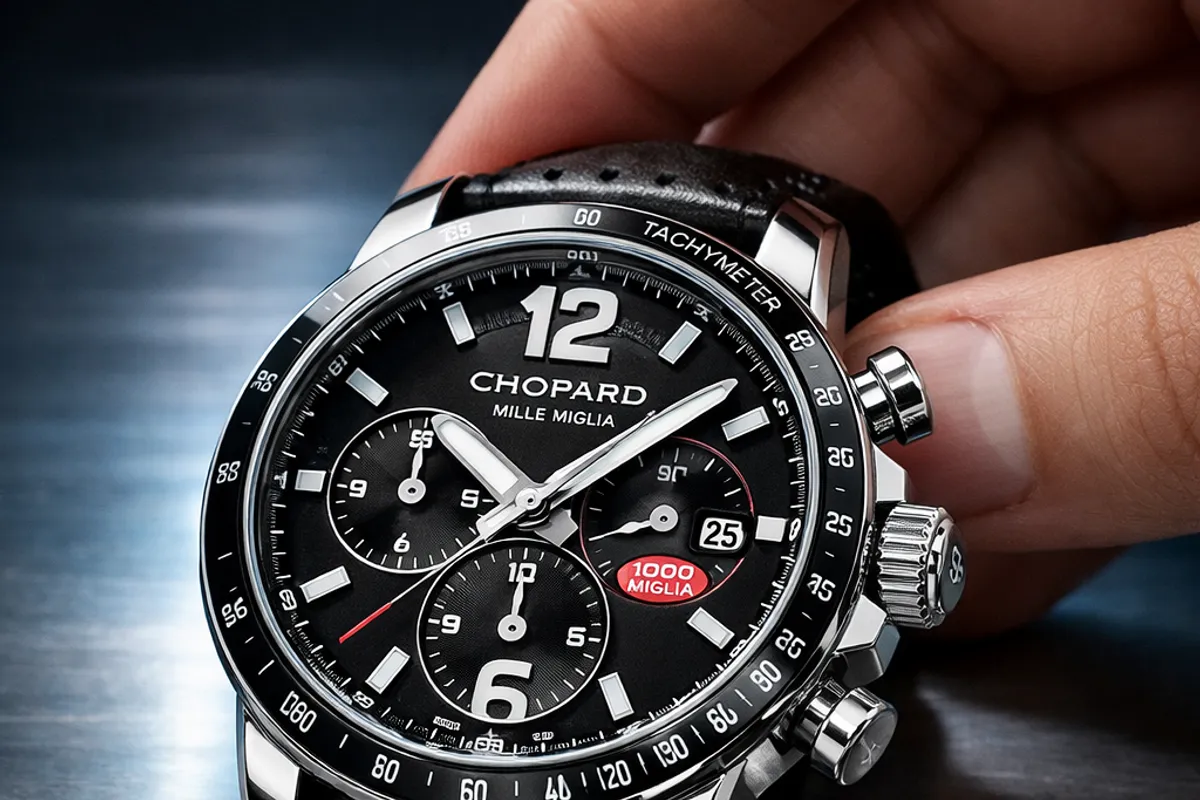
If you’re sitting on a piece you’ve been thinking about selling, whether it’s a classic Happy Sport, an L.U.C complication, or something from the Mille Miglia collection, the market right now is receptive. These watches have a genuine collector following in New York, and the right buyer will recognize that immediately. Getting an offer costs nothing and gives you a real benchmark to work from.
Frequently Asked Questions
How do I know if the watch buyer I’m working with in NYC actually understands complicated Swiss movements?
The article makes a clear distinction here, a Happy Sport is straightforward to evaluate, but something like an L.U.C Quattro with a four-barrel movement and a 9-day power reserve requires a buyer who genuinely understands what they’re looking at. If the buyer can’t speak specifically to what makes a particular reference valuable, that’s a signal you’re in the wrong room. Getting multiple assessments from different buyers before committing is described as just smart practice in New York.
Which models from this Swiss brand tend to hold their value best when selling in New York?
According to the article, Happy Sport watches in stainless steel with diamond accents perform well on the secondary market, particularly when they’re complete with original box and papers. L.U.C pieces, especially limited editions and those with precious metal cases, also attract serious buyers. What tends to struggle are older quartz pieces, fashion-forward designs from the 1990s, and anything with aftermarket modifications or missing documentation.
Does it matter if my watch has a few scratches, will that kill the offer I get?
The article addresses this directly: a professional buyer will factor in normal wear appropriately and a few surface scratches shouldn’t tank your offer. What a serious buyer can’t overlook is actual movement damage, replaced components, or a refinished dial that wasn’t disclosed upfront. Being transparent about condition from the start tends to result in smoother, faster transactions.
What paperwork and accessories should I pull together before I go in to sell?
The article lays out the basics: original box, warranty card, service records if you have them, and any additional straps or bracelets that came with the watch. Serial number documentation carries particular weight with this brand because the manufacturer maintains detailed records that allow buyers to verify authenticity and production details. Missing any of these doesn’t necessarily end the conversation, but having them ready gives you a stronger position on price.
Is right now actually a good time to sell, or should I wait for the market to improve?
The article notes that the secondary market for Swiss luxury watches moves in cycles, and selling during a period of high demand, rather than waiting on a personal deadline, can make a meaningful difference in what you walk away with. It also states that the current market is receptive for watches from this brand, given their genuine collector following in New York. Getting an offer costs nothing and gives you a real benchmark, so there’s no reason not to find out where things stand right now.
Get Directions to Selling Watches NYC
🎧 Listen to this as a podcast
Also on Apple Podcasts, Spotify, and Amazon Music.