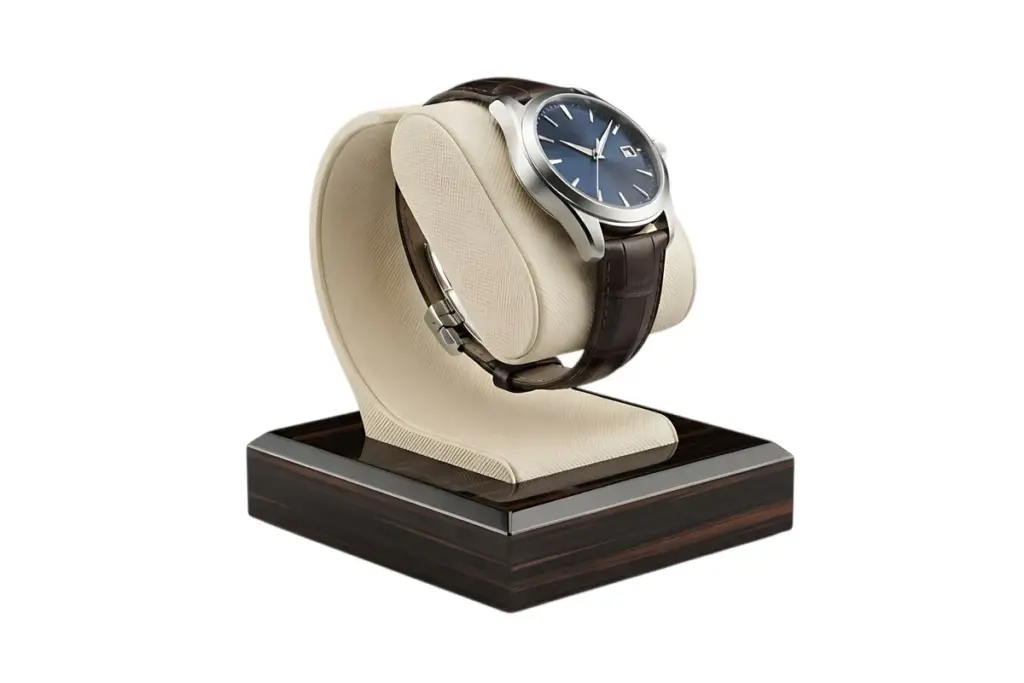
There’s a reason collectors and enthusiasts keep coming back to Zenith NYC conversations with a particular kind of reverence. This Swiss manufacture, founded in 1865 in Le Locle, carries something most modern watch brands simply cannot manufacture, genuine, unbroken history. While other houses have pivoted, rebranded, or outsourced, this one stayed the course. And in a city like New York, where people can spot authenticity from a block away, that kind of heritage lands differently.
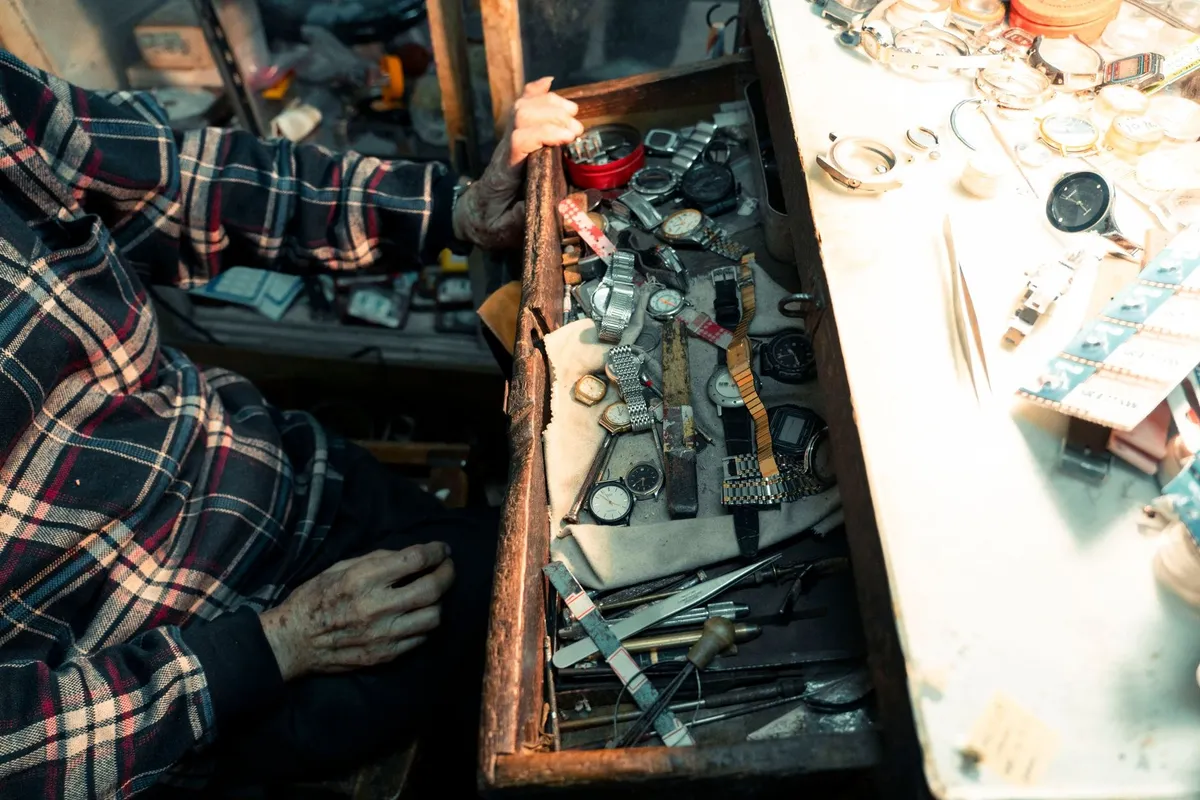
The Movement That Changed Everything
If you’ve spent any time around serious collectors, you’ve heard the name El Primero thrown around like a badge of honor. And for good reason. When this manufacture introduced the El Primero in 1969, widely recognized as the world’s first automatic chronograph movement, it wasn’t just a technical achievement. It was a declaration. The movement beat at 36,000 vibrations per hour, giving it a precision that competitors scrambled to match for years.
What makes this particularly interesting from a resale perspective is that the El Primero’s reputation has only grown with time. Watches powered by this caliber, especially vintage examples from the late 1960s through the 1980s, command serious attention from buyers who know what they’re looking at. A well-preserved Chronomaster from that era isn’t just a pretty object. It’s a documented piece of horological history, and the market treats it accordingly.
For anyone sitting on one of these pieces, the condition of the movement matters enormously. A watch that’s been regularly serviced by a qualified watchmaker, with records to prove it, will always outperform one that’s been left in a drawer for twenty years, even if the case looks pristine on the outside.
Why NYC Collectors See This Brand Differently
New York has always had a complicated relationship with European luxury. The city appreciates craftsmanship, but it also demands substance. Flashy doesn’t cut it here for long. What endures are the brands with real stories, and this Swiss house has one of the most compelling in the business.
The collector community in New York tends to be deeply informed. Walk into any serious watch conversation in this city and you’ll find people who can cite reference numbers, production years, and dial variations from memory. That sophistication works in a seller’s favor when the watch is legitimate and well-documented. It also means you can’t bluff your way through a transaction. Buyers here know what questions to ask.
One sentiment that comes up repeatedly among people who’ve sold their pieces through experienced local buyers is the relief of dealing with someone who actually understands what they’re holding. There’s a significant difference between walking into a pawn shop and sitting across from a specialist who can look at your Defy or Elite and immediately place it in context, production era, market demand, current comparable sales. That expertise is what separates a fair offer from a lowball one.
If you want to go into that conversation prepared, it’s worth reading up on how to arm yourself with knowledge before sellingbecause the more you understand about your piece, the better positioned you are to recognize a strong offer when you see one.
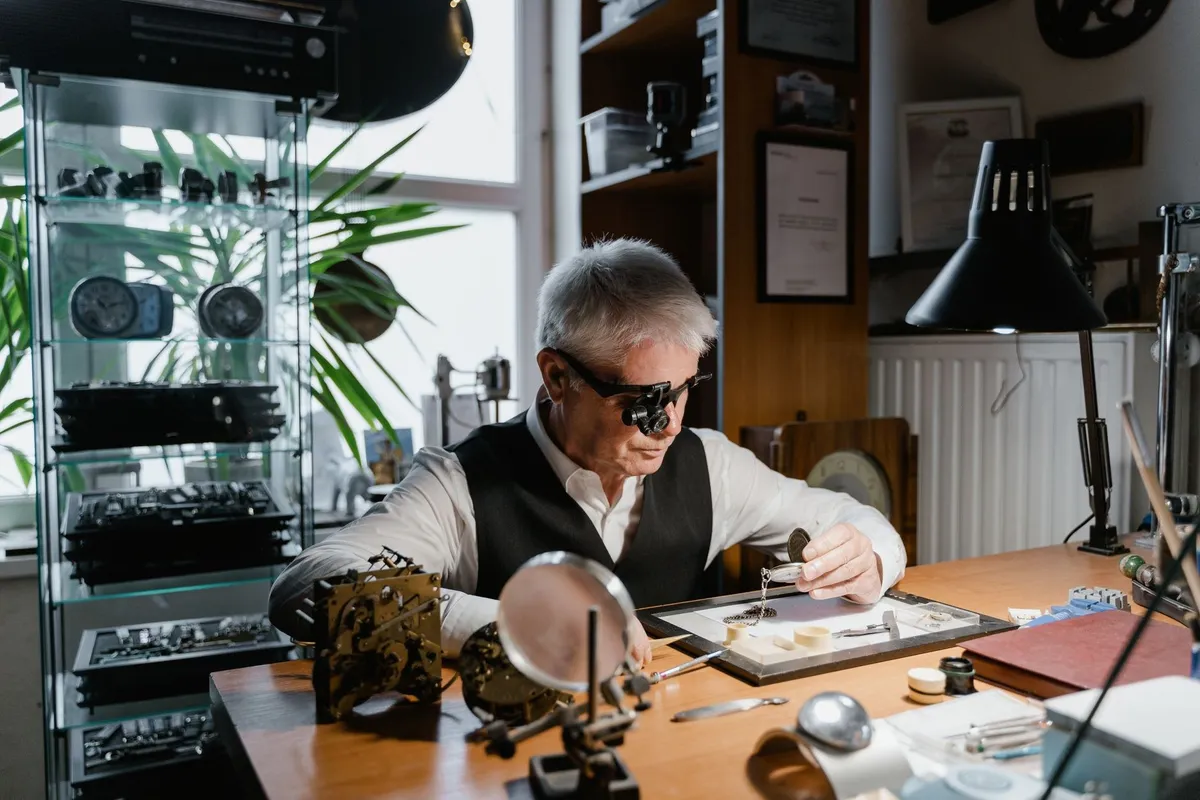
What Actually Drives Resale Value on These Watches
Not every piece from this manufacture carries the same weight on the secondary market. The El Primero-powered chronographs tend to lead the pack, but there are other factors that matter just as much as the movement inside.
Originality is everything. A watch with its original dial, hands, and crown, untouched and unpolished, will consistently outperform a refinished example. The patina that some owners see as wear, collectors often see as proof of authenticity. Don’t rush to have a case polished before selling. It frequently does more harm than good.
Documentation adds real dollars. Box and papers aren’t just nice to have, they’re a meaningful part of the valuation. A complete set, especially for older references, can shift the offer significantly upward. If you have service records, keep them together with the watch.
Reference matters more than you think. Within any brand’s catalog, certain references carry cult status. The A386 from 1969, for example, is one of the most sought-after chronographs in vintage collecting. Knowing exactly what you have, not just “a vintage chronograph”, puts you in a much stronger negotiating position.
Timing also plays a role. The luxury watch market moves in cycles, and selling during a period of strong demand makes a measurable difference. For a broader look at how market timing affects what you walk away with, this breakdown of the best times to sell a luxury timepiece is genuinely useful reading before you make any decisions.
Finding the Right Buyer in a City Full of Options
New York has no shortage of places willing to take your watch off your hands. The question is whether they’ll give you what it’s actually worth. Auction houses take significant commissions. Online platforms introduce uncertainty and risk. And many jewelry stores simply don’t have the expertise to properly evaluate a complicated Swiss movement.
What experienced sellers consistently find is that working with a dedicated watch buyer in NYC who specializes in luxury timepieces produces the most straightforward, transparent experience. No waiting months for an auction result. No shipping a valuable piece to a stranger across the country. Just a direct conversation with someone who understands the market, can make an immediate offer, and has the track record to back it up.
The watches this manufacture has produced over 150-plus years are genuinely worth protecting, both as objects and as investments. Selling one deserves the same level of care and expertise that went into making it. In a city that moves as fast as New York, finding a buyer who slows down long enough to get it right is worth more than most people realize until they’ve experienced it firsthand.
Frequently Asked Questions
How much does having box and papers actually affect what a buyer in NYC will offer me?
According to experienced buyers, a complete set, original box, papers, and service records, can shift an offer meaningfully upward, not just by a small margin. For older references especially, documentation is treated as part of the watch’s value, not a bonus. If you have those materials scattered around, gather them before you sit down with anyone.
Should I get the case polished before bringing my vintage chronograph to a buyer?
No, the article is direct on this point: polishing a case before selling frequently does more harm than good. Collectors in this market often read original patina and unpolished surfaces as proof of authenticity, not as flaws to fix. What looks like wear to you can look like value to the right buyer.
Does it matter which specific reference I have, or do buyers just evaluate vintage chronographs as a general category?
Reference numbers matter significantly, certain models carry cult status among collectors and command noticeably stronger offers than others. The A386 from 1969 is one concrete example the article cites as among the most sought-after in vintage collecting. Knowing your exact reference before the conversation puts you in a much stronger position than walking in with a vague description.
Why would I use a dedicated watch buyer instead of just taking my piece to an auction house?
Auction houses take significant commissions and you can wait months before seeing any money from the sale. A specialist buyer in NYC can evaluate the watch on the spot and make an immediate offer without the delay or the cut. For a single piece you want to sell cleanly, that difference in timeline and net return is real.
Does the condition of the movement inside matter as much as how the watch looks on the outside?
Yes, the article makes clear that a watch with a regularly serviced movement and records to prove it will outperform one that looks pristine externally but has been sitting untouched in a drawer for years. Buyers who specialize in complicated Swiss movements know how to evaluate what’s happening inside the case, not just what shows on the surface. Service history is worth keeping together with the watch before any sale conversation.
Get Directions to Selling Watches NYC
🎧 Listen to this as a podcast
Also on Apple Podcasts, Spotify, and Amazon Music.