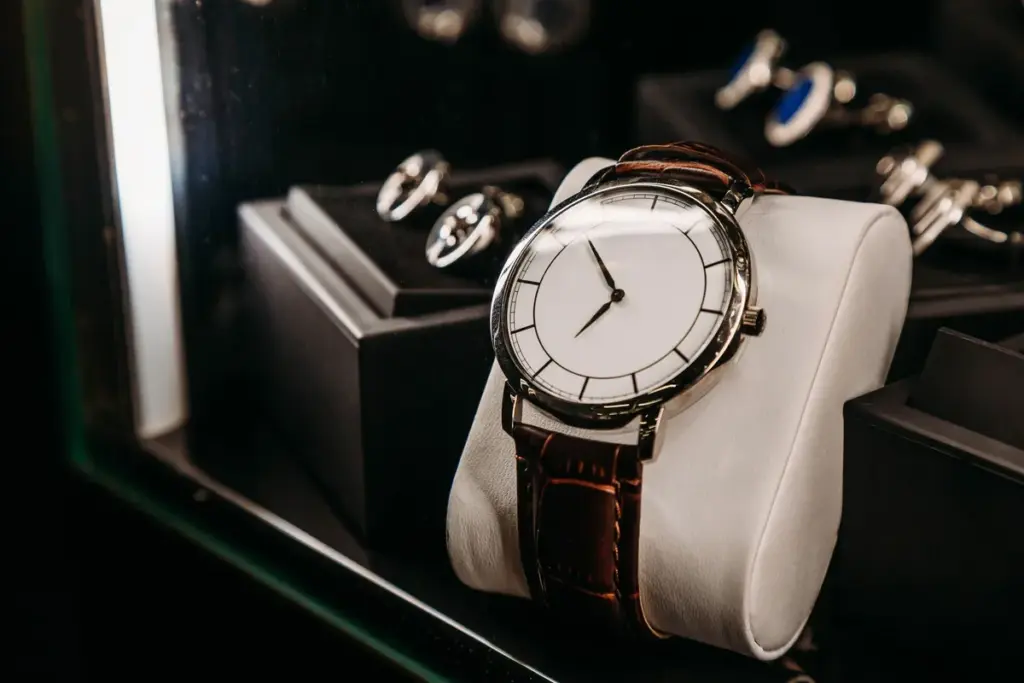
If you’ve been sitting on a Hublot and wondering what it’s actually worth on the secondary market, you’re not alone, questions about Hublot resale value in NYC come up constantly, and the answers are more nuanced than most people expect. These are bold, polarizing timepieces, and that personality cuts both ways when it comes time to sell.
Why Hublot Divides the Room, and What That Means for Your Wallet
Hublot built its reputation on the “Art of Fusion” concept, rubber straps on precious metal cases, carbon fiber bezels, unconventional materials that nobody else was using at scale. That boldness attracted a fiercely loyal following. It also created a secondary market that behaves differently from, say, Rolex or Patek Philippe.
The honest truth is that most Hublot models depreciate more steeply off retail than the top-tier Swiss brands. That’s not a knock on the watches themselves, it’s just market reality. The brand sells heavily on lifestyle and celebrity association, and those factors don’t always translate into strong resale floors. A Big Bang that retailed for $15,000 might realistically fetch $7,000 to $9,000 on the secondary market, depending on condition and configuration.
But here’s where it gets interesting: certain references hold their value far better than others. Limited editions tied to specific collaborations, pieces with complications like tourbillons, and models in unusual materials can command surprisingly strong prices from the right buyer. The key word there is right buyerand finding that person in a city like New York is a lot more achievable than in most markets.
The References That Actually Move in New York
New York collectors tend to gravitate toward pieces with a story. The Classic Fusion in titanium is a solid, wearable watch, but it’s also one of the most common Hublots on the market, supply is high, and that keeps prices modest. If you own one, you’ll get a fair offer, but don’t expect it to outperform its retail price.
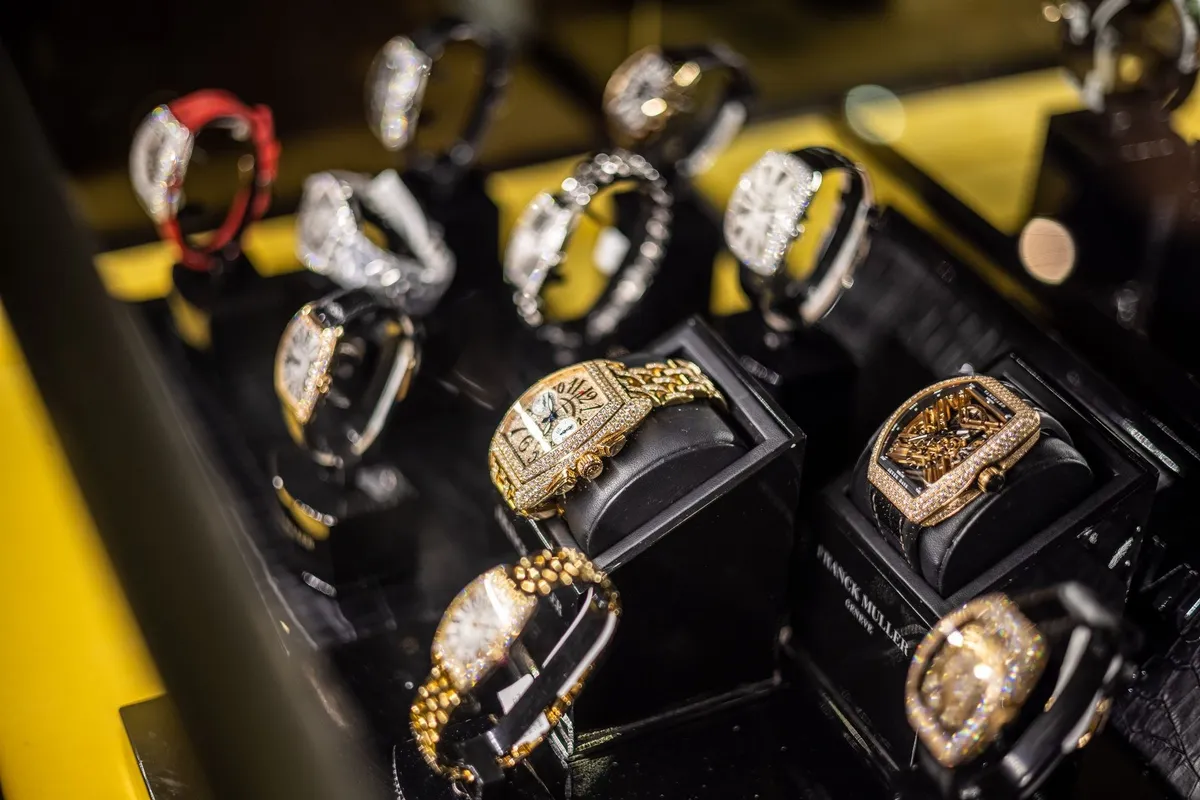
The models that generate real excitement among serious buyers here are the Big Bang Unico references with in-house movements, the MP Collection pieces with their avant-garde complications, and any limited-edition collaboration with a verifiable production number. Hublot has partnered with Ferrari, FIFA, and various artists over the years, and those co-branded pieces often carry a premium in cities where sports culture and luxury overlap, which is basically the definition of New York.
Condition matters enormously here. Hublot’s rubber and textile straps show wear quickly, and a scratched bezel on a carbon fiber model is harder to refinish than a polished steel case. Buyers in this city are sophisticated, they notice. Coming in with original box, papers, and a strap in good shape can meaningfully change the number you walk out with. If you want a broader picture of how the city’s luxury watch market operates, this guide on NYC’s luxury market hidden treasures is worth a read.
Where Most Sellers Leave Money on the Table
The biggest mistake people make when selling a Hublot is treating it like a commodity and heading straight to a pawn shop or a generic online platform. These watches require a buyer who actually understands the brand, someone who knows the difference between a V1 and V2 movement, who recognizes a genuine limited-edition reference number, and who has a customer base ready to buy it.
Online auction platforms sound appealing because of the potential upside, but the fees, the wait time, and the risk of a deal falling through can eat into your return significantly. Sellers who’ve gone that route often come back wishing they’d started with a direct buyer from the beginning.
Working with an experienced watch buyer in NYC who specializes in luxury timepieces means you get an informed offer quickly, without the runaround. People who’ve sold through established local buyers consistently mention how much smoother the process is compared to navigating online marketplaces on their own, the expertise in the room makes a real difference.
Timing, Condition, and the NYC Advantage
New York operates at a different pace than the rest of the country when it comes to luxury goods. There’s a deep pool of collectors, dealers, and enthusiasts here who are actively looking for quality pre-owned pieces. That demand creates competition, and competition is good for sellers.
Timing your sale around major events, watch fairs, the holiday season, or even the start of bonus season in finance, can give you a slight edge. Buyers tend to be more active and less price-sensitive during these windows. It’s a small factor, but in a market where the difference between a good and great offer can be a few hundred to a few thousand dollars, small factors add up.
Before you walk in anywhere, do your homework. Pull recent sold listings for your specific reference on the major resale platforms. Know your serial number and production year. Have your documentation organized. A seller who walks in prepared signals to the buyer that they’re dealing with someone who knows what they have, and that typically results in a stronger offer.
If you’re ready to find out what your piece is actually worth, getting an offer from a specialist who handles high-end timepieces daily is the most direct path to a fair, informed number, no guesswork, no waiting around.
Frequently Asked Questions
My Big Bang retailed for $15,000, is that anywhere close to what I’ll actually get when I sell it in New York?
Realistically, no, the article puts the secondary market range for a piece like that at roughly $7,000 to $9,000, depending on condition and the specific configuration. That gap is steeper than most people expect, because resale on these watches is driven more by who’s buying than by what you paid at retail. If yours is a limited-edition reference or has an in-house movement, the number can shift upward, but a standard production model is unlikely to close that gap.
Which specific models hold their value better than others if I’m looking to sell here in the city?
The Big Bang Unico references with in-house movements, the MP Collection pieces with unusual complications, and any verifiable limited-edition collaboration tend to generate the most interest from serious buyers in New York. Co-branded pieces tied to Ferrari, FIFA, or specific artists carry a premium here because sports culture and luxury overlap heavily in this city. A standard Classic Fusion in titanium, by contrast, is common enough that supply keeps prices modest, you’ll get a fair offer, but don’t expect it to outperform what you paid.
Does having the original box and papers actually make a difference on the offer I’ll get?
Yes, and it’s not a small difference, the article specifically calls out original box, papers, and a strap in good condition as factors that can meaningfully change the number you walk out with. Buyers in New York are sophisticated and notice details, including wear on rubber or textile straps and scratches on carbon fiber bezels that are harder to refinish than polished steel. Coming in organized and complete signals to the buyer that you know what you have, which typically produces a stronger offer.
Why shouldn’t I just list mine on an online auction platform and wait for the right buyer?
The fees, the wait time, and the risk of a deal falling through can eat into your return significantly, enough that sellers who’ve gone that route often come back wishing they’d started with a direct buyer. These watches also need a buyer who understands the brand specifically: someone who knows the difference between movement versions and can recognize a genuine limited-edition reference number. A generic platform doesn’t guarantee that expertise is in the room when your listing goes up.
Is there a better time of year to sell in New York, or does it not really matter?
Timing does matter, though the article frames it as a small factor rather than a deciding one. Buyers tend to be more active and less price-sensitive around watch fairs, the holiday season, and the start of finance bonus season, windows where demand picks up and competition among buyers increases. In a market where the difference between a good and a great offer can run a few hundred to a few thousand dollars, selling during one of those windows is worth considering.
Get Directions to Selling Watches NYC
🎧 Listen to this as a podcast
Also on Apple Podcasts, Spotify, and Amazon Music.