
There’s a lot of noise out there when it comes to deciding to sell watches in NYC, half-truths, outdated advice, and flat-out misconceptions that cost people real money. Whether you’ve got a Rolex sitting in a drawer or a luxury timepiece you’ve simply outgrown, the myths surrounding the process can make the whole thing feel more complicated than it needs to be. Let’s cut through the confusion and talk about what’s actually true.
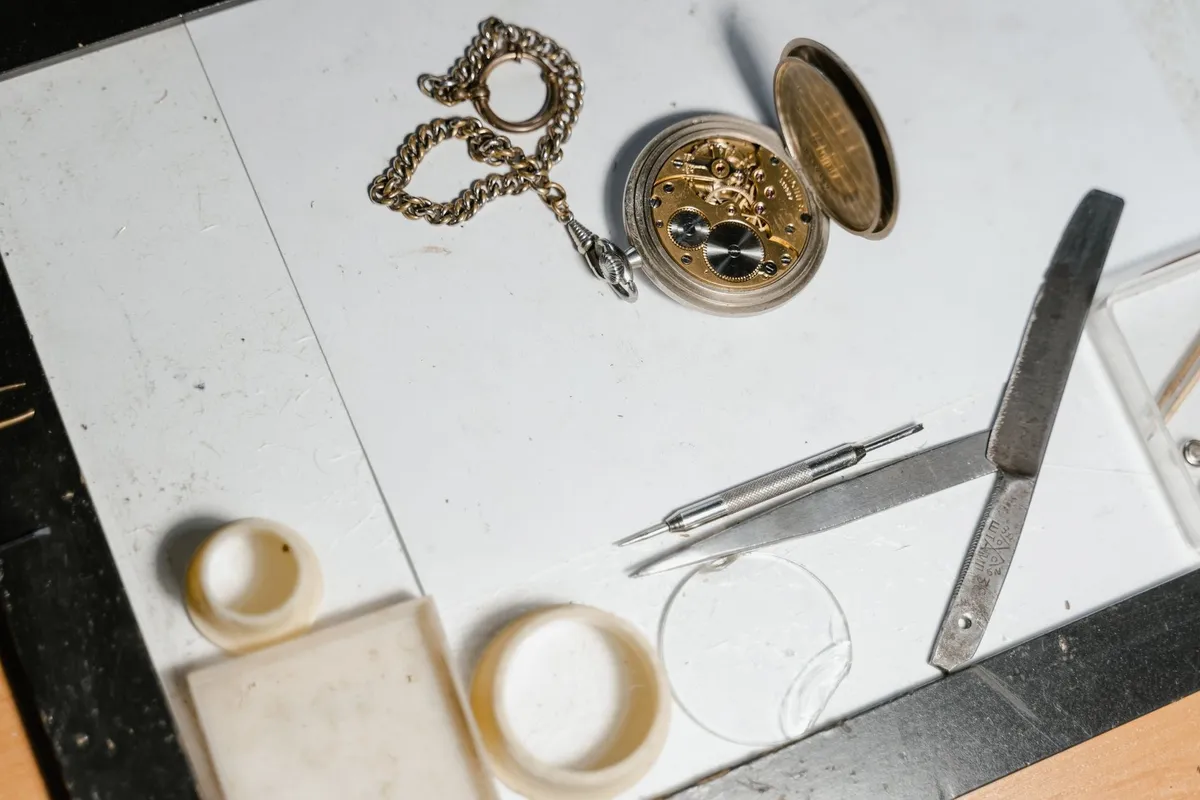
Your Watch Is Worth Less Than You Think, Or Is It?
This is probably the most damaging myth of all. Many people assume their pre-owned timepiece has lost most of its value the moment it left the store. That’s simply not accurate, especially for certain brands and references.
Rolex, Patek Philippe, Audemars Piguet, and a handful of other manufacturers have maintained, and in many cases grown, their resale values over the past decade. A Submariner or a Daytona from even ten years ago can fetch a surprisingly strong offer from a serious buyer. The same goes for limited-edition pieces, discontinued references, and watches with original box and papers.
The key is knowing what you actually have before you walk into any conversation. Do a little research on recent comparable sales. Check what similar references are trading for on the secondary market. You don’t need to become an expert overnight, but going in informed means you won’t leave money on the table. For a deeper look at how to prepare yourself before any transaction, this guide on arming yourself with knowledge before selling is worth a read.
“I Should Wait for the Perfect Moment”, The Timing Trap
A lot of people hold onto their timepieces waiting for some ideal window that may never come. The thinking goes: the market will peak, demand will spike, and then they’ll cash in. The reality is more nuanced than that.
Luxury watch markets do fluctuate, there’s no question about that. But trying to time them perfectly is a fool’s errand for most private sellers. What matters far more is the condition of your piece, the completeness of your documentation, and who you’re selling to. A buyer who genuinely knows the market will make you a fair offer regardless of whether it’s January or July.
That said, there are periods when demand runs a little hotter, around the holidays, for instance, or when certain brands release new models that drive collectors back toward the secondary market for older references. If you’re curious about how seasonal patterns play into value, this breakdown of how seasonal trends impact luxury timepiece values gives you a clear picture without the speculation.
Pawn Shops and Online Platforms Are Your Best Options, Think Again
This one comes up constantly, and it’s worth addressing directly. Many people default to either a pawn shop around the corner or a listing on an online marketplace when they decide to part with a watch. Both options have serious drawbacks that don’t get talked about enough.
Pawn shops operate on wide margins. They need to buy low to sell at a profit, which means the offer you receive rarely reflects the true market value of your piece. Online platforms like eBay or Chrono24 can work, but they require you to handle authentication questions, shipping risks, potential fraud, and sometimes months of waiting for the right buyer to appear.
A dedicated watch buyer in NYC operates differently. They know the market, they can assess your piece on the spot, and they have an immediate use for what you’re bringing in. The transaction is faster, cleaner, and, when you’re working with someone reputable, the offer is competitive because they’re not padding for the unknowns that come with reselling through other channels.
Many people who’ve gone through the process describe a kind of relief at how straightforward it can be when you’re working with a specialist rather than trying to navigate a general marketplace.
Condition Is Everything, Except When It Isn’t
Here’s a myth that cuts both ways. Some sellers assume a few scratches or a worn bracelet will tank their offer. Others believe a recent polish will make their watch more appealing. Both assumptions can lead you in the wrong direction.
Light wear on a luxury watch is normal and expected. Serious buyers understand that a watch that’s been worn is not a watch that’s been damaged. Minor surface marks on a case or bracelet don’t dramatically reduce value on most references, and in some cases, an unpolished, original-finish watch is actually more desirable to collectors than one that’s been buffed to a shine.
What genuinely affects value is mechanical condition, originality of parts, and documentation. A watch with its original dial, hands, and crown, even with honest wear, will typically outperform a heavily polished piece with replaced components. If you’ve had service work done, keep those records. They tell a story of care, not neglect.
The same logic applies if you’re considering offloading a Rolex specifically. Working with someone who handles these transactions regularly, like the team at Sell Rolex NYCmeans you’re talking to people who can look past surface cosmetics and assess what your piece is genuinely worth on today’s market.
The bottom line is this: don’t let myths make the decision for you. A well-informed seller with a realistic sense of their watch’s value, a clean and complete presentation, and the right buyer in front of them is in a strong position. That’s not complicated, it just requires cutting through the noise first.
Frequently Asked Questions
Does a few scratches on my Rolex really hurt what I’ll be offered for it?
Light surface wear on a case or bracelet is normal and expected, serious buyers in NYC know the difference between a watch that’s been worn and one that’s been damaged. What actually moves the needle on value is mechanical condition, whether the original parts are intact, and whether you have documentation like box and papers. An unpolished watch with honest wear can actually be more appealing to collectors than one that’s been buffed down and lost its original finish.
Should I polish my watch before bringing it in to get an offer?
No, and this is one of the more costly mistakes sellers make. Polishing removes the original finish, and for many collectors and dedicated buyers, that’s a red flag rather than a selling point. Leave the watch as-is and let the buyer assess it in its natural state.
Why would a dedicated watch buyer in NYC make me a better offer than a pawn shop?
Pawn shops buy low across a wide range of items because they need margin to resell at a profit, your timepiece is competing for shelf space with guitars and jewelry. A specialist buyer has an immediate use for what you’re bringing in and isn’t padding the offer to cover unknowns the way a general shop does. That difference in overhead and expertise typically shows up directly in the number they put in front of you.
Is there a time of year when I’ll get a stronger offer for a luxury timepiece in NYC?
Demand does run a little hotter around the holidays and when major brands release new models, which tends to push collectors back toward the secondary market for older references. That said, the article is clear that trying to perfectly time the market is rarely worth the wait, condition, documentation, and who you’re selling to matter far more than the calendar. If your watch is ready and your paperwork is complete, holding out for a specific month is unlikely to meaningfully change your outcome.
Do I need the original box and papers to get a fair offer in NYC?
Having the original box and papers does strengthen your position and can increase what a buyer is willing to offer, particularly on references from Rolex, Patek Philippe, or Audemars Piguet. That said, a missing box isn’t a dealbreaker, buyers who know the market can assess the piece on its own merits. Service records are also worth holding onto, since they demonstrate the watch has been maintained rather than neglected.
Get Directions to Selling Watches NYC
🎧 Listen to this as a podcast
Also on Apple Podcasts, Spotify, and Amazon Music.