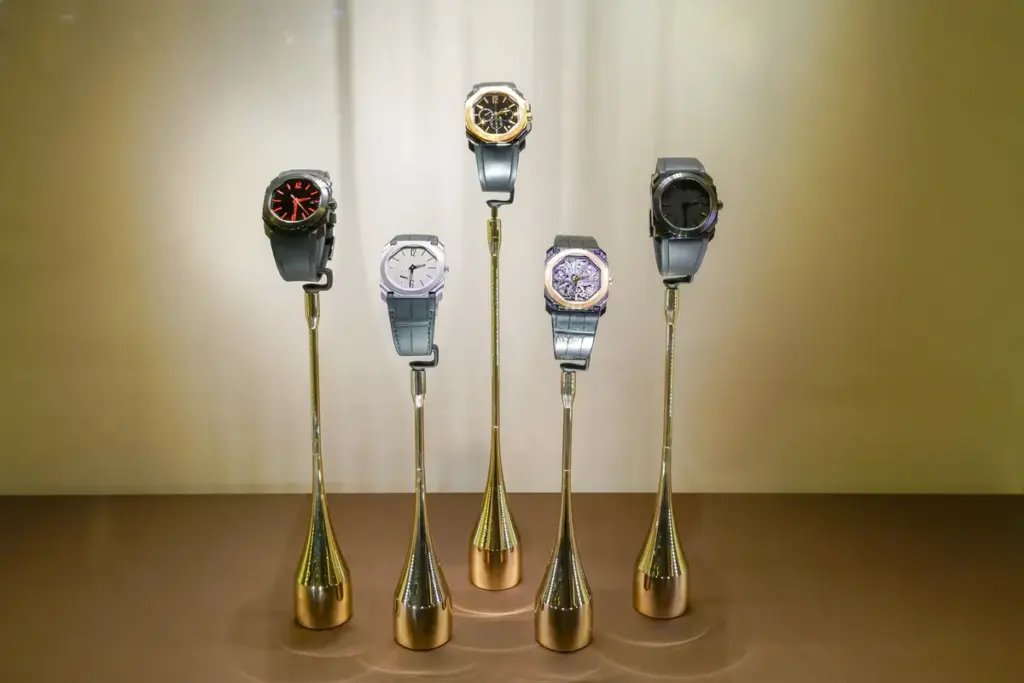
If you’re sitting on a Bvlgari NYC purchase that no longer fits your lifestyle, or maybe it was a gift you never truly connected with, you’re in a better position than you might think. The Italian brand carries serious weight in the secondary market, and New York City is one of the best places in the country to turn that timepiece into real money. But walking in unprepared is where most people leave cash on the table.
Why These Watches Don’t All Sell the Same Way
Not every piece from this Roman house commands the same resale interest, and that surprises a lot of sellers. The Octo Finissimo series, for example, has become one of the most talked-about ultra-thin watches on the secondary market, full stop. Its architectural geometry and record-breaking movements have made it a genuine collector’s target. Meanwhile, some of the brand’s fashion-forward quartz pieces from the early 2000s sit in a completely different tier.
The point is this: before you get an offer, know which category your watch falls into. Is it a mechanical movement or quartz? Is it a limited edition or a standard production piece? Does it have diamonds or other gem-setting? These details shift the valuation dramatically, and a buyer who specializes in luxury timepieces will spot them immediately. You should too.
If you want to sharpen your understanding before walking into any appointment, arming yourself with knowledge before selling is genuinely worth your time. It changes the entire dynamic of the conversation.
The Condition Factor Is More Nuanced Than You’d Expect
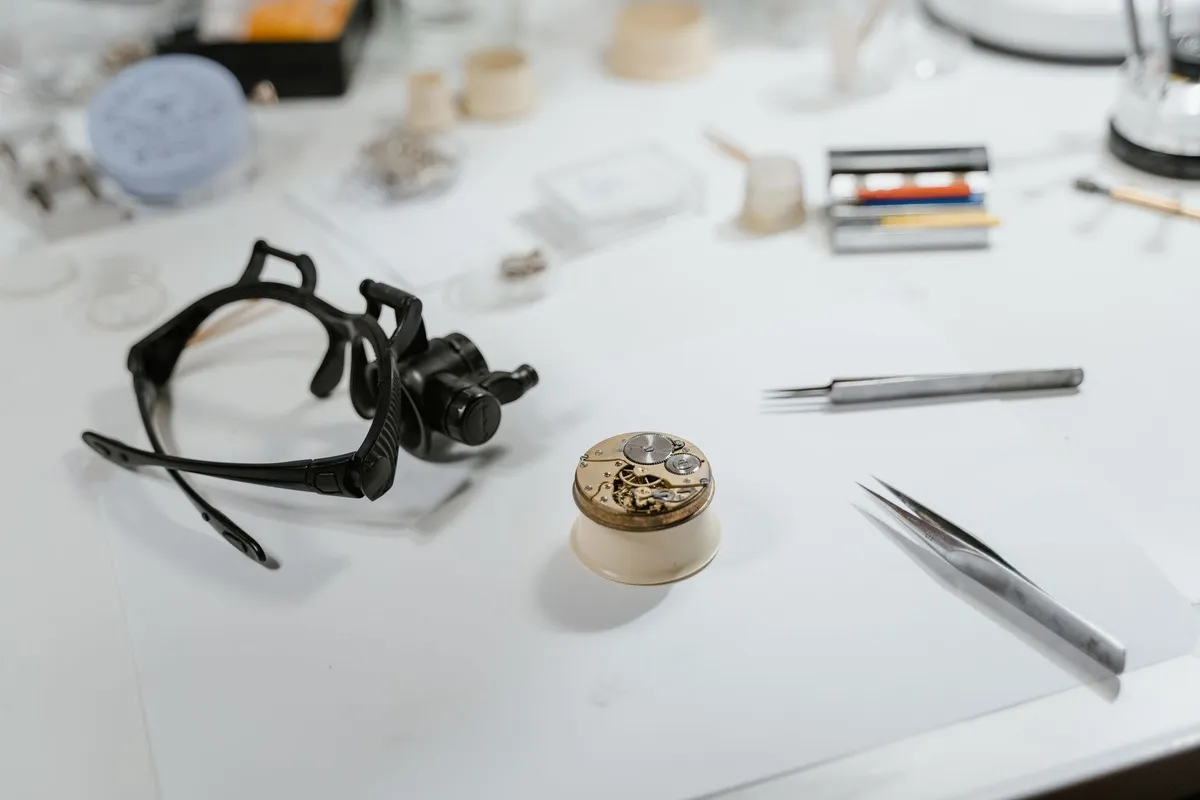
Most people assume condition means “does it work and does it look okay.” Buyers think about it differently. They’re looking at the sharpness of the case edges, the state of the dial, whether the bracelet has been stretched or over-polished, and whether any service work was done, and if so, by whom.
One thing that catches sellers off guard: over-polishing actually reduces value. A watch that’s been buffed aggressively to remove scratches loses the crisp lines that make certain designs so desirable. Buyers in the know prefer honest wear over a botched shine job. If your watch has some light surface scratches, don’t panic, and definitely don’t run it to a jeweler for a polish before your appointment.
Original box and papers remain the single biggest value-add you can bring to the table. A complete set, meaning the original box, warranty card, and any accompanying documentation, can meaningfully increase what a serious buyer is willing to pay. If you’ve held onto those materials, bring them. If you haven’t, that’s okay too, but be realistic about the adjustment.
NYC’s Market Has a Specific Appetite Right Now
New York buyers aren’t operating in a vacuum. They’re tracking what’s moving at auction, what collectors are searching for online, and what’s sitting in inventory. Right now, the appetite for bold Italian design, particularly pieces with strong visual identity, is healthy. The brand’s watches have a distinct look that appeals to buyers who want something that reads differently from a Swiss sports watch.
That said, timing still matters. understanding the best times to sell a luxury timepiece can make a real difference in what you walk away with. The market has seasonal rhythms, and a buyer who’s flush with inventory in January may be actively looking to acquire in March. It’s not always dramatic, but it’s real.
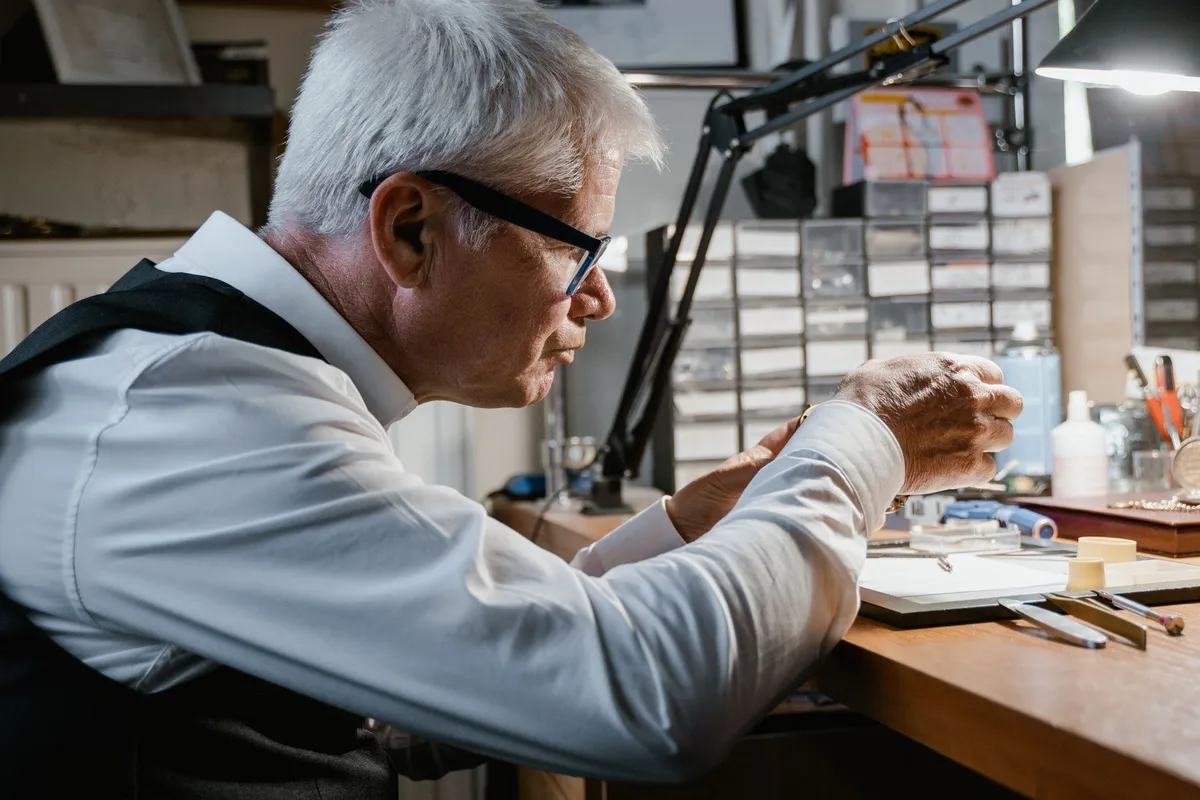
Working with an established watch buyer in NYC who has direct experience with Italian luxury brands is worth prioritizing. Someone who has handled dozens of these pieces will evaluate yours accurately and fairly, and won’t lowball you simply because they’re unfamiliar with the brand’s positioning.
What Sellers Consistently Get Wrong Before the Appointment
The most common mistake is treating the sale like a casual transaction. People walk in without their documentation, haven’t serviced the watch in years, and have no idea what comparable pieces have recently sold for. That combination puts you at a disadvantage before the conversation even starts.
Do a quick check on recent secondary market sales for your specific reference number. Know whether your model is currently in production or discontinued, discontinued references often carry a premium because supply is fixed. If the brand has released a newer version of your model, that can sometimes soften demand for the older piece, but not always.
Many sellers who’ve worked with experienced buyers in this city come away wishing they had done this homework earlier. The feedback is consistent: preparation leads to better offers and a faster, smoother process. Buyers respect sellers who understand what they have. It signals that you’re serious, and serious sellers tend to get taken seriously in return.
One more thing worth mentioning, if you’re not ready to sell outright, a collateral loan using your watch as security is a legitimate option. It lets you access liquidity without permanently parting with a piece you may still want to keep. It’s a route more people should know about before making a final decision.
Frequently Asked Questions
How do I know if my watch falls into the high-demand category or the lower-tier one before I go in?
Start with two basic questions: does it have a mechanical movement or a quartz one, and is it a limited edition or a standard production piece? The ultra-thin architectural pieces from the Octo Finissimo line sit at the top of secondary market interest right now, while fashion-forward quartz pieces from the early 2000s are in a completely different tier. Checking the reference number against recent secondary market sales will tell you quickly which camp yours falls into.
My watch has some surface scratches, should I get it polished before bringing it in?
No, and the article is direct about this: aggressive polishing actually reduces value because it removes the sharp case edges that serious buyers look for. Light surface scratches are expected on a worn watch, and experienced buyers prefer honest wear over a buffed-out finish that destroys the original geometry. Bring it as-is and let the buyer assess it accurately.
I lost the original box and papers years ago, is it still worth selling?
Yes, but go in with realistic expectations because the original box, warranty card, and documentation are described as the single biggest value-add you can bring to an appointment. Without them, a serious buyer will adjust the offer, and that adjustment is a standard part of how these transactions work. It’s not a dealbreaker, just a factor you need to price into your expectations before you walk in.
Does it matter what time of year I try to sell in NYC?
It does, though the article notes the difference isn’t always dramatic, it’s real but not extreme. The market has seasonal rhythms, and a buyer who’s sitting on full inventory in January may be actively looking to acquire in March, which shifts the dynamic in your favor. Timing your appointment around those cycles is worth thinking about if you’re not in a rush.
What if I need cash now but I’m not sure I want to permanently give up the watch?
A collateral loan using the watch as security is a legitimate option that lets you access liquidity without selling outright. The article specifically flags this as something more sellers should know about before making a final decision, particularly if there’s any chance you’d want the piece back later. It’s worth asking an established NYC watch buyer whether they offer this before committing to a sale.
Get Directions to Selling Watches NYC
🎧 Listen to this as a podcast
Also on Apple Podcasts, Spotify, and Amazon Music.